What to know about access issues for Bermondsey garden services
Posted on 27/10/2026
If you are booking a gardener in Bermondsey, access is rarely the glamorous part of the job, but it can be the difference between a smooth visit and a frustrating one. Narrow side passages, shared entrances, locked gates, awkward stairways, no nearby parking, or a garden tucked behind a maisonette can all slow work down fast. The good news? Most access issues for Bermondsey garden services can be managed with a little planning, a clear briefing, and the right expectations from the start.
This guide explains what usually causes access problems, how garden teams typically handle them, and what you can do to make a visit easier, safer, and more efficient. It is written for real-world Bermondsey homes: compact terraces, converted flats, shared courtyards, roof terraces, and those gardens where you half expect a wheelbarrow to give up before it gets through the gate.
Why What to know about access issues for Bermondsey garden services Matters
Access is not just a convenience issue. It affects time, labour, safety, equipment choice, and what kind of work is realistic in one visit. If a team has to carry heavy bags of soil through a narrow hallway, lift tools over steps, or park far away and walk everything in, the job becomes slower and more physically demanding. That can affect the quote, the schedule, and sometimes even what can be completed on the day.
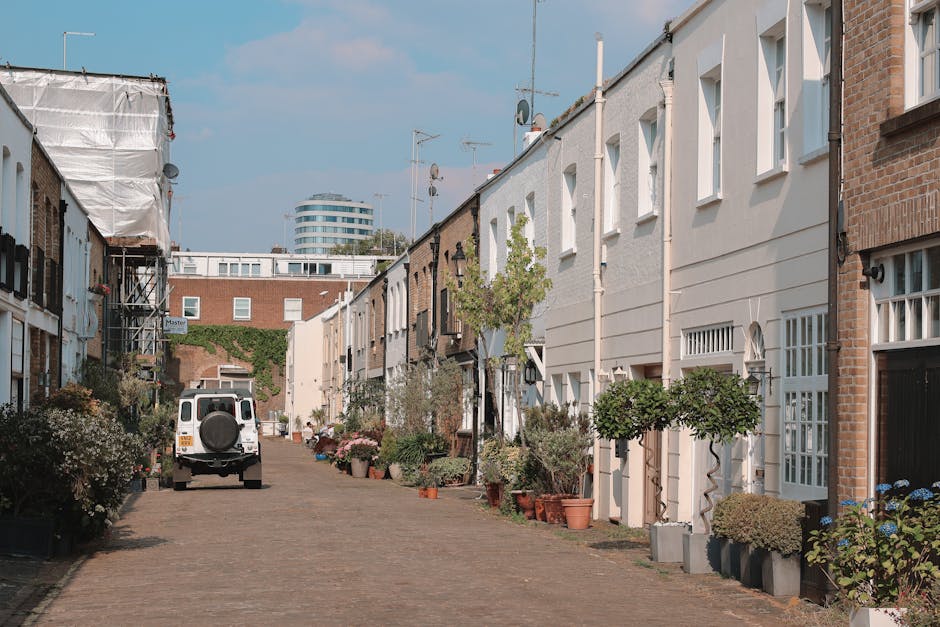
Bermondsey has a mix of housing types, and that variety is exactly why access needs a proper conversation. A long, narrow garden behind a terraced home may be simple to reach but awkward for larger machines. A shared block courtyard may be easy for a hand tool job but difficult for bulky waste removal. A garden with no direct rear access may still be perfectly workable, but it needs a different plan. To be fair, most problems are not dramatic; they are just practical.
When access is discussed early, a gardener can arrive with the right kit, allow the correct time, and avoid unnecessary disruption to you, neighbours, or the property. That is especially useful for services like regular garden maintenance in Bermondsey, hedge cutting, patio cleaning, or more involved landscaping work. It also helps with seasonal tasks, where wet weather, muddy paths, or heavy green waste make every step a bit less straightforward.
Expert summary: good access planning saves time, protects property, reduces avoidable labour, and makes it much easier for the job to finish properly rather than being rushed or split across multiple visits.
How What to know about access issues for Bermondsey garden services Works
In practice, access planning starts before the gardener arrives. A good provider will usually want to know how the garden is reached, where tools can be unloaded, whether there is parking nearby, and if there are any gates, codes, shared hallways, or awkward steps to deal with. Nothing fancy. Just the basics, but the basics matter.
Common access questions include:
- Can the team get from the street to the garden without passing through a home interior?
- Are there locked gates, side alleys, or communal areas that need permission?
- Is there space to unload tools and materials safely?
- Will green waste need to be carried a long distance to reach a collection point?
- Are there pets, children, neighbours, or residents that need extra consideration?
If you are arranging something more visual or structural, such as the work covered by landscaping services in Bermondsey, access becomes even more important because materials may need moving in stages. Bags of gravel, timber, fencing components, or planters are manageable, but they take planning. A compact urban garden can still be transformed, yet the route in and out needs to be realistic.
Gardeners usually adapt in one of three ways:
- Work with existing access using hand tools, smaller loads, and careful staging.
- Adjust timing so parking, lift access, or gate access is easier at quieter hours.
- Change the method by splitting the job into phases or using less bulky materials.
That flexibility is often the key. A narrow Bermondsey passage does not automatically mean a project is impossible. It just means the setup has to be considered. There is always a way, though sometimes the elegant way is not the fastest way.
Key Benefits and Practical Advantages
Getting access right produces benefits that are easy to miss until something goes wrong. The obvious one is efficiency. The less obvious ones are quality, safety, and trust.
- Faster start times: fewer delays unloading tools, checking gates, or figuring out where to work.
- Cleaner site movement: less mud through hallways, less damage to paving, and less wear on lawns or thresholds.
- Better equipment choice: small-access jobs may need lighter machines or hand tools, which is fine if planned properly.
- Safer working conditions: fewer trips, fewer awkward lifts, and better control over waste movement.
- More accurate quotes: when access is known early, pricing can reflect real conditions rather than guesswork.
For homeowners, there is another quiet benefit: less stress. You will not spend the morning answering repeated questions, moving the car last minute, or realising the gardener cannot get the mower through the gate. That little bit of clarity at the front end makes the whole experience feel more professional.
If your garden is part of a larger tidy-up project, it may help to read about how to approach a neglected garden first. Access is often part of that bigger picture, because overgrown pathways, hidden steps, and blocked side routes can be just as much of a challenge as the garden itself.
Who This Is For and When It Makes Sense
Access issues matter for almost anyone using garden services in Bermondsey, but some households feel them more than others. If you live in a flat with shared outside space, a terrace with rear-only access, or a property where parking is tight, it is worth discussing from the outset. The same applies if you are booking larger or heavier tasks, not just routine tidying.
This is especially relevant for:
- Households with narrow side returns or secure rear gates
- Flats and maisonettes with stairs, shared entries, or courtyard access
- Homes with limited parking or permit restrictions nearby
- Gardens that need waste removal, turf work, or material deliveries
- Properties with fragile paving, steep steps, or low headroom
It also makes sense if you are arranging specialist work like tree surgery in Bermondsey or fencing services. Those jobs often involve larger tools, stronger safety controls, and more movement of cuttings or materials. Even a routine hedge cut can become a bit of a dance if the access route is tight and the waste must be carried through several obstacles.
Truth be told, many customers only notice access limitations after the first visit. The smarter move is to spot them before work starts. It saves a lot of awkwardness later.
Step-by-Step Guidance
Here is a practical way to handle access issues without overcomplicating the process.
- Walk the route first. Look at how someone would enter the property, where tools would be carried, and where waste would leave.
- Measure the narrow points. Gate widths, side passages, and steps matter more than people think. A wheelbarrow needs room, and so do two people carrying a heavy item.
- Note the obstacles. Pet flaps, bin stores, bikes, planters, low branches, and slippery paving can all slow a job down.
- Tell the gardener in plain language. Do not assume they will "just work it out". Say what you know: locked gate, no parking, shared access, steep steps, or interior-only entry.
- Share photos if helpful. A few honest pictures often explain the layout faster than a long message.
- Plan the waste route. If green waste must leave through the house or a narrow side alley, say so early. That affects time and the practical method.
- Prepare the space. Move cars if needed, unlock gates, clear loose items, and let neighbours know if access passes through shared areas.
- Confirm the setup before the day. A short check-in the day before can prevent a lot of "oh, there's one more gate" surprises.
That sounds simple, and it is. But simple does not mean optional.
For smaller or more awkward gardens, you may also find it useful to read about vertical gardening for space constraints and container gardening ideas for compact spaces. Those approaches can reduce the amount of heavy ground work required, which in turn eases access pressure during maintenance visits.
Expert Tips for Better Results
Here are the things experienced garden teams quietly appreciate, because they make a real difference on site.
- Keep access routes consistently clear. A tidy side passage is not just nicer to look at; it is safer for moving tools and waste.
- Use locks and codes that actually work. Sounds obvious. Yet this is one of the most common avoidable delays.
- Think about weather. A route that feels fine in dry weather may become slippery and awkward after rain. Bermondsey pavements can be unforgiving on a damp morning.
- Ask about hand-carry limitations early. If a job involves heavy compost, bark, paving slabs, or hedge waste, small-access methods may be better than forcing larger kit through a tight route.
- Separate the "must have" from the "nice to have". If access limits the scope of one visit, prioritise the essentials and leave the extras for later.
A small but useful point: if the access route crosses living areas, put down protective coverings in advance if the team recommends it. It shows good preparation and helps preserve floors, carpets, and thresholds. Little things, but they add up.
And yes, sometimes the best expert tip is just this: be honest about the mess and the pinch points. Nobody benefits from pretending the garden is easier to reach than it really is. Not even the brave little mower.

Common Mistakes to Avoid
Most access problems are not dramatic, just preventable. The biggest mistake is assuming a gardener will arrive and find a neat, obvious route without any briefing. In urban gardens, that is wishful thinking.
- Not mentioning shared access early. Communal gates, neighbour-owned paths, or building rules can affect the job significantly.
- Leaving bins, bikes, or furniture in the way. A narrow route gets much worse when cluttered.
- Forgetting about parking. If the team has nowhere legal or practical to stop, the schedule can slip before work begins.
- Underestimating waste removal. It is one thing to cut a hedge. It is another to move bags of cuttings through a tight hallway.
- Assuming heavy equipment will fit. Some jobs simply need a smaller method or a phased approach.
Another common issue is trying to squeeze too much work into a single visit without considering how access affects labour. If you are combining mowing, clearing, hedge work, and hard-surface cleaning, the route in and out becomes part of the job plan. That is where sensible service choice matters, especially if you are also considering lawn mowing, lawn care, or patio cleaning in the same visit.
Tools, Resources and Recommendations
You do not need a professional toolkit to prepare for access issues, but a few simple items help more than people expect.
- Tape measure: useful for checking gate widths and passage points.
- Phone camera: take a few photos of the route, steps, and tight corners.
- Basic gloves and a broom: handy for clearing debris before the team arrives.
- Temporary floor protection: useful where tools or soil may pass through a house or hallway.
- Notepad or message thread: keep access notes in one place so details do not get lost.
For broader planning, it helps to understand the kind of work being carried out. If the visit is part of a full site reset, you might also look at starter advice for a new garden project or simple ideas for a lower-maintenance garden. A garden that is easier to maintain is often easier to access too. Funny how that works.
If privacy planting or screening is part of the reason you are hiring help, these pieces can be relevant as well: creative landscaping ideas for an attractive and private garden, lush hedges for privacy enhancement, and evergreen climbers for hidden corners. Those topics connect neatly with access because dense planting can sometimes make routes tighter over time if not managed well.
Law, Compliance, Standards, or Best Practice
Access in garden work is not usually about complex legal disputes, but it does touch on a few areas of good practice. Gardeners should work safely, respect property boundaries, and avoid causing avoidable damage or disruption. If a route passes through a shared building, both the property layout and any building rules may matter.
In the UK, sensible practice usually includes:
- clear communication before arrival
- safe manual handling of tools and waste
- careful movement through narrow or shared spaces
- respect for neighbours, communal areas, and locked access points
- proper planning for anything that could create a trip, slip, or lift risk
It is also wise to check that the provider has its own health and safety policy and insurance and safety information. That does not solve access issues by itself, but it tells you the team takes risk seriously, which matters when equipment, steps, damp ground, and awkward routes are involved.
For service terms and payment expectations, it is sensible to review terms and conditions, payment and security, and privacy policy. If access details are shared by message, photo, or booking note, that information should be handled carefully and professionally. Nothing glamorous there, but it matters.
Best practice in one line: the more awkward the access, the more precise the planning should be.
Options, Methods, or Comparison Table
Different access setups call for different approaches. Here is a simple comparison of common methods.
| Access situation | Best approach | Main advantage | Possible drawback |
|---|---|---|---|
| Wide rear gate with direct entry | Standard equipment and normal scheduling | Fast, efficient, straightforward | Usually none |
| Narrow side passage | Smaller tools, hand-carry loads, staged work | Low disruption and more control | Can take longer |
| Shared courtyard or communal access | Pre-arranged entry and neighbour-aware scheduling | Good for flats and shared properties | Access depends on others |
| No nearby parking | Plan unloading windows and lighter equipment | Reduces delays and double handling | May affect cost or duration |
| Interior-only route to garden | Protective coverings and careful waste movement | Allows work where no external access exists | More setup time and care needed |
If you are choosing between a light maintenance visit and a heavier project, the comparison often comes down to how much movement is involved. A tidy-up is usually easy to adapt. Structural work, not so much. For heavier jobs, the team may need a more detailed plan and perhaps a slightly phased approach.
Case Study or Real-World Example
Here is a typical Bermondsey scenario. A homeowner in a terraced property wanted hedge trimming, a general tidy-up, and removal of several bags of cuttings. The garden itself was simple enough, but the access route was not. There was a narrow side passage, one locked gate, and a small step down into the rear garden. Parking was also tight on the road.
Rather than turning it into a drama, the homeowner sent a couple of photos in advance and explained where the bags could be left for collection. The gardener arrived with lighter tools, planned the hedge work first, and staged waste in manageable loads. The job took a bit longer than a wide-open garden would have, but it was completed safely and neatly. No damaged pots, no crushed borders, no awkward mid-job surprises. A good outcome, honestly.
What made the difference was not luck. It was information. The access route was clear before anyone arrived, and the team could prepare accordingly. That is why even small details matter, especially in local urban gardens where space is at a premium.
For homes in similar situations, a service like hedge trimming in Bermondsey is usually much smoother when access notes are shared early. The same goes for ongoing visits under gardening services in Bermondsey, because regular jobs tend to run best when the routine is well understood.
Practical Checklist
Use this before a gardener arrives. It is short, but it covers the big things.
- Confirm the exact access route to the garden
- Check gate widths, steps, and narrow passages
- Clear bikes, bins, furniture, and loose items
- Make sure gates, codes, and locks will work on the day
- Tell the team about parking limits or permit restrictions
- Share photos if the layout is not obvious
- Let neighbours know if shared access may be used
- Ask whether waste will need a special removal plan
- Protect indoor floors if tools must travel through the house
- Check whether the work needs smaller equipment or split visits
Quick takeaway: if access is awkward, do not leave it as a surprise. That is usually where the stress begins.
Conclusion
Access issues for Bermondsey garden services are not usually deal-breakers. They are planning issues. And planning issues can be solved, or at least reduced, with honest information, a clear route, and a sensible choice of method. Whether the work is a simple tidy-up, regular maintenance, or a bigger landscaping project, good access planning helps protect the property, save time, and keep the day calm.
In a place like Bermondsey, where homes and gardens can be compact, shared, or just a little awkward in the nicest possible way, that kind of preparation matters more than people think. Get the basics right and the rest tends to fall into place. Not always perfectly. But pretty well, and that is often enough.
Get a free quote today and see how much you can save.

Boasting extensive experience in the gardening business, Taylor stands out as a proficient author capable of crafting a variety of articles on a broad range of landscaping topics. Her expertise has been instrumental in helping thousands of people address their gardening needs.