Gardeners Bermondsey Spa Gardens planting tips for small yards
Posted on 11/10/2026
Gardeners Bermondsey Spa Gardens Planting Tips for Small Yards
If you're working with a compact outdoor space, every planting choice has to earn its place. That's especially true in Bermondsey, where small yards, courtyard gardens, and narrow back plots often need to do a lot at once: look beautiful, feel private, stay easy to manage, and still leave room to sit down with a cup of tea. These Gardeners Bermondsey Spa Gardens planting tips for small yards are designed to help you make smart decisions without turning the space into a crowded jungle. Truth be told, small gardens can be some of the most satisfying to design because every detail matters.
In this guide, you'll find practical planting ideas, layout advice, seasonal care tips, common mistakes to avoid, and a clear step-by-step approach for getting the best from limited space. You'll also find natural internal links to useful related guides and services on the same site, so you can keep building your garden knowledge in a sensible order.
Why Gardeners Bermondsey Spa Gardens Planting Tips for Small Yards Matters
A small yard is not a drawback; it's a design brief. The challenge is not simply fitting plants in. It's choosing the right mix of structure, scale, colour, and maintenance so the space feels calm rather than cramped. In Bermondsey, where many gardens are compact and overlooked by neighbouring properties, planting can also be used to shape privacy, soften hard edges, and make the whole area feel more usable.
Without a plan, small yards become visually noisy: too many pots, the wrong shrubs, or plants that quickly outgrow their position. That is when maintenance climbs and the garden starts to feel heavier than it should. A good planting strategy does the opposite. It creates a sense of flow. It gives you breathing room. And if you like a bit of seasonal change, it makes sure there is always something happening, even in the quieter months.
For readers who want broader garden ideas alongside planting advice, these creative landscaping ideas for privacy and style are a useful companion read. Small yards often need both planting and structure working together, not one or the other.
Expert takeaway: in a small yard, the best planting schemes usually rely on fewer plant types, stronger repetition, and one or two standout features rather than lots of competing elements.
How Gardeners Bermondsey Spa Gardens Planting Tips for Small Yards Works
The method is simple at heart: match plant choice to space, light, and purpose. Then layer the garden in a way that keeps the eye moving. You are not trying to fill every square metre. You're trying to create depth, rhythm, and function. That might mean a tall, slim shrub in one corner, low ground cover near the path, and a few pots with herbs or flowering plants where the light is strongest.
Think in three levels. First, your vertical plane: fences, trellises, walls, and climbers. Second, your mid-layer: shrubs, perennials, and container plants. Third, your ground layer: mulch, low-growing plants, and hard surfaces that stop the garden from feeling cluttered. The balance between those layers is what makes a small yard feel designed rather than just planted.
It also helps to treat the garden as a sequence of views. What do you see first when you step outside? What do you see from the kitchen window? What do you see when you sit down? Small spaces benefit from these little sightline decisions. A single well-placed plant can do more than a dozen random ones. A bit dramatic, perhaps, but true.
If you want more ideas for plants that work hard in compact spaces, this guide to ground covers for UK landscapes can help you fill awkward areas without overcrowding them.
Key Benefits and Practical Advantages
The right planting plan brings both visual and practical gains. That is what makes it worth doing properly.
- More usable space: smart planting opens up walking routes and seating areas instead of swallowing them.
- Better privacy: layered planting can screen sightlines without building a heavy barrier.
- Lower maintenance: compact gardens can actually be easier to care for when plant choices are disciplined.
- Seasonal interest: by mixing evergreen structure with flowers and textured foliage, the garden stays interesting year-round.
- Improved microclimate: plants can soften wind, reduce harsh reflections from paving, and make a small yard feel less exposed.
- Better mood and use: a garden that feels balanced is more likely to be used, not just looked at through the window.
There's another benefit people often overlook: planting can help disguise compromises. A tricky corner, a plain fence, or a patch of tired paving becomes far less noticeable when it is framed by the right greenery. If the yard is currently a bit patchy, you might also find this practical guide to transforming a neglected garden useful before you start planting.
Small yards also lend themselves to smart, affordable improvements. Not every result needs a major build. A few containers, a climber, and a good mulch layer can change the feel of the whole place. That's one reason low-maintenance garden ideas are worth looking at if you want beauty without constant effort.
Who This Is For and When It Makes Sense
This approach makes sense if your yard is small, overlooked, awkwardly shaped, or simply hard to keep tidy. It is especially useful for:
- homeowners with compact town gardens or rear yards
- landlords wanting a neat, manageable outdoor space
- busy families who need a garden that looks good with limited upkeep
- pet owners who want planting that won't immediately get trampled
- people who want privacy but do not want to block out all light
- anyone looking to upgrade a bare patio edge, fence line, or courtyard
It also makes sense if you are planning the space around how you actually live. Do you want a quiet corner for reading? A bit of herb growing? A child-friendly patch? A dog-friendly route from back door to fence? If so, plant selection should support that use, not compete with it. For families, a useful reference is this guide to building a safe outdoor world for children, because in tight gardens safety and simplicity often go hand in hand.
And yes, if you're the kind of person who likes to keep a small yard looking good without spending every Saturday trimming, you are exactly who this is for. Let's face it, nobody wants a garden that feels like a part-time job.
Step-by-Step Guidance
1. Start with a proper assessment
Before buying a single plant, look at the space in plain daylight and again in the late afternoon. Note where the sun falls, where the shade lingers, where water collects after rain, and how much room you genuinely have to move around. It sounds obvious, but people skip this step all the time and then wonder why a shade plant is sulking in full sun.
Measure the usable area, not just the total area. If a storage box, bin store, or narrow walkway takes up space, count it. That gives you a realistic planting plan instead of an optimistic one.
2. Choose a clear planting role for each part of the yard
Every section should do a job. For example:
- Fence line: privacy and height
- Sunny corner: pots, herbs, pollinator plants
- Shady side: ferns, ivy alternatives, or shade-tolerant ground cover
- Central zone: open space for sitting or moving through
If you have a fence or boundary wall that needs softening, the planting may work best alongside maintenance or decorative screening. The page on hedge trimming in Bermondsey is useful if you're balancing structure with greenery and want a tidy result rather than a shaggy one.
3. Build from the outside in
In small yards, planting the edges first usually creates the best sense of space. Edges define the garden and keep the centre calmer. Use slim shrubs, upright plants, climbers, or compact hedges along boundaries. Then add medium-height plants in containers or beds. Finally, leave negative space in the centre so the garden can breathe.
4. Use containers where flexibility matters
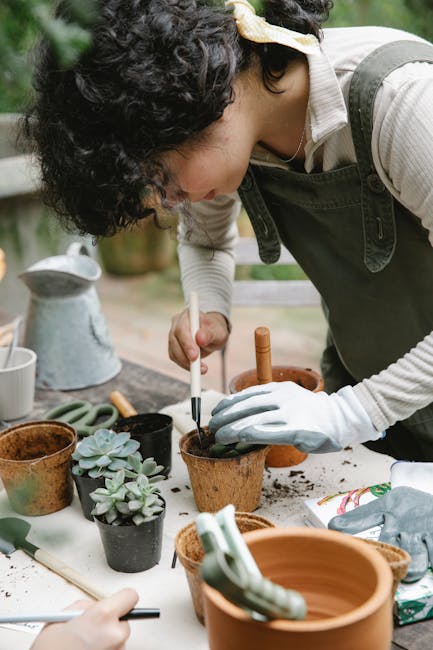
Containers are brilliant in compact gardens because they let you move things around, swap seasonal displays, and avoid committing to a plant in the wrong place. They are especially handy where soil quality is poor or there is a paved courtyard with no real border.
If container gardening is new to you, this article on container gardening gives a useful wider overview. The trick is not to use too many pots. Use a few larger containers rather than lots of small ones; small pots tend to look fussy and dry out fast.
5. Add vertical interest
Vertical planting is one of the best ways to make a small yard feel bigger. Climbers on trellises, wall-mounted planters, narrow obelisks, and trained shrubs all pull the eye upward and free up the floor. That upward movement creates the illusion of space, which is exactly what you want.
For ideas that make the most of walls and fences, vertical gardening for space constraints is well worth reading. It is one of those approaches that sounds simple and then quietly solves half the problem.
6. Finish with ground cover and mulch
Ground cover reduces bare soil, helps suppress weeds, and stops the garden looking patchy. Mulch gives a neat finish and helps keep moisture in the soil. In a small yard, these details matter because messy edges are more noticeable. There is nowhere for clutter to hide.
Expert Tips for Better Results
Here is where the little choices make a big difference.
- Repeat shapes and colours. Repetition calms a small space. If every pot, plant, and leaf texture is different, the garden can feel visually hectic.
- Prefer layered foliage over too many flowers. Flowers are lovely, but foliage gives the garden a proper backbone.
- Use evergreen structure. Evergreens stop the space from collapsing visually in winter and early spring.
- Keep one focal point. A bench, a pot cluster, a clipped shrub, or a small tree can anchor the whole design.
- Mind mature size, not just the label photo. This is a big one. Plants look tiny in the nursery and then, a year later, they have opinions.
- Choose plants that tolerate local conditions. Bermondsey gardens can be exposed to urban wind, reflected heat, and shade from buildings. Pick accordingly.
If privacy is one of your goals, you may want to combine planting with carefully maintained screening. these fast privacy hedge ideas and evergreen climbers can be useful starting points. For some gardens, one or two climbers do more than a full row of bulky shrubs.
And for scent, a small herb strip can be surprisingly effective. Rosemary, thyme, mint in a contained pot, and chives near the kitchen door bring life into the space without taking much room. You will notice them more than you expect on a warm evening. A bit of fragrance goes a long way.
If your yard is exposed to breezes, do not ignore wind. A few sheltering plants or a soft screen can protect tender species. There's a helpful read on wind management essentials for a tranquil garden if your space feels a bit blustery.

Common Mistakes to Avoid
Small gardens forgive very little. The usual mistakes are easy to avoid once you know what to watch for.
- Overcrowding: too many plants make the yard feel smaller and create more work later.
- Ignoring mature spread: some plants need far more room than they appear to.
- Mixing too many styles: a little consistency keeps the garden readable.
- Choosing thirsty plants for hot, dry edges: those plants will struggle unless watering is frequent and reliable.
- Using only low planting: without some height, the garden can feel flat and unfinished.
- Forgetting year-round structure: a garden full of summer-only interest often looks bare for half the year.
- Letting weeds get a head start: in a compact yard, weeds stand out fast. There's no hiding them, sadly.
If weed pressure is already an issue, have a look at practical weed control tips before replanting. It is much easier to improve a small yard when the soil isn't constantly competing with unwanted growth.
Another common slip is using tiny bedding plants everywhere because they seem neat at first. They do look tidy for a while. Then the maintenance begins, and the garden starts to feel a bit fiddly. Slightly annoying, really.
Tools, Resources and Recommendations
You do not need a shed full of kit to plant a small yard well, but the right tools make the job cleaner and quicker.
- Hand trowel and hand fork: for planting containers and smaller beds
- Pruners or secateurs: for shaping, deadheading, and controlling growth
- Watering can or hose with a gentle rose: useful for targeted watering
- Spade or border fork: for preparing compact beds
- Mulch and compost: to improve soil and reduce surface clutter
- Plant labels or a simple garden plan: especially helpful if you are mixing herbs, ornamentals, and climbers
For a broader overview of practical garden kit, this tools guide is a sensible companion. And if you want to improve soil quality before planting, turning organic waste into fertile soil is a useful approach for feeding a small garden without overcomplicating things.
For maintenance planning, the service pages on garden maintenance in Bermondsey and gardening services in Bermondsey may be helpful if you would rather have a professional keep the planting neat and in shape through the seasons.
Law, Compliance, Standards, or Best Practice
For ordinary home gardens, planting itself is usually a practical and aesthetic decision rather than a regulated one. Even so, there are some sensible best-practice points worth respecting.
- Check boundaries: if a plant is likely to climb, spread, or overhang, make sure it will not create a neighbour dispute later.
- Be careful with trees and large shrubs: in a small yard, even a "compact" tree can become a maintenance issue if poorly placed.
- Consider access and safety: keep clear routes to doors, bins, gates, and utility points.
- Work safely: use the right tools, especially when pruning or dealing with awkward fence lines and tall climbers.
- Follow manufacturer guidance: if you are using products such as compost, feeds, or mulches, apply them according to the label.
If you are planning substantial changes, or if the space involves fencing, trees, or more structural work, it can be worth checking how the garden is laid out before committing. For related background, the site's insurance and safety and health and safety policy pages explain the kind of care expected when work is being carried out professionally. That matters because good planting is not just about looks; it is also about sensible, safe decisions in a lived-in space.
There are also practical administrative pages on terms and conditions, privacy policy, and pricing and quotes if you are comparing professional help. Nothing glamorous there, but worth checking. Always.
Options, Methods, or Comparison Table
Choosing the right planting method for a small yard depends on your goals. The table below gives a simple comparison.
| Method | Best for | Advantages | Watch-outs |
|---|---|---|---|
| Border planting | Adding structure along edges | Makes the garden feel designed and contained | Can crowd the space if plants grow too wide |
| Container planting | Flexible, changeable displays | Easy to move, replace, or refresh seasonally | Needs watering more often and can look busy if overused |
| Vertical planting | Very tight yards, fences, walls | Uses height instead of floor space | May need support, training, and pruning |
| Ground cover planting | Covering awkward patches and reducing weeds | Neat finish, practical soil protection | Some ground covers spread faster than expected |
| Feature planting | Creating a focal point | Adds personality and a sense of purpose | Needs enough surrounding space to work well |
For many small yards, the strongest results come from a combination of methods rather than one approach alone. For example, a clipped shrub at one end, herbs in pots near the door, and one climber at the back fence can feel balanced without becoming busy. That mix is often better than trying to force a "theme" across every square metre.
Case Study or Real-World Example
Here's a realistic example based on a typical Bermondsey yard: a narrow rectangular space with a shaded boundary, a sunny patch near the rear, and a patio door opening straight out into the garden. The owner wanted privacy, colour, and less weekly upkeep.
Instead of filling the whole area with separate plants, the design used three moves. First, a slim evergreen screen was added along the back fence to break sightlines. Second, a few large containers were placed near the seating area with herbs and seasonal flowers. Third, the middle of the yard was left deliberately open, with light paving and a low, tidy ground cover at the edges. The result felt bigger, not smaller. More importantly, it became usable.
There was also a practical maintenance benefit. Because the planting was concentrated into zones, watering and pruning were quicker. The owner did not need to spend ages wandering around with a hose and secateurs, muttering at the weather. A small thing, but it matters.
This kind of approach is also useful if you are gradually improving a garden rather than doing a full redesign. If the yard needs more than planting alone, landscaping support in Bermondsey may help shape the space before the planting goes in. If the lawn is part of the problem, the site's lawn care and lawn mowing services may also be relevant. A tidy base makes planting look far better.
Practical Checklist
Use this quick checklist before you plant.
- Measure the usable space accurately.
- Work out where the sun, shade, and wind hit.
- Decide the main purpose: privacy, colour, herbs, seating, or all four.
- Choose a small number of repeating plant types.
- Check mature height and spread before buying.
- Use containers where flexibility matters.
- Keep the centre of the yard open if possible.
- Add height with climbers, trellises, or slim shrubs.
- Include evergreen structure for winter interest.
- Use mulch or ground cover to reduce weeds and tidy the finish.
- Leave enough access for watering, pruning, and everyday use.
- Review the planting plan after the first season and adjust what is too crowded or too bare.
If you're planning a family-friendly layout or a space where children and pets will be active, it is worth pairing the checklist above with the relevant guides on dog-friendly gardens and gardens for children. The best small yards are not just pretty; they are easy to live with.
Conclusion
Small yards ask for restraint, and that is actually their strength. When you choose plants carefully, keep the layout simple, and build in vertical interest, the garden starts to feel calmer, larger, and much easier to enjoy. That's the heart of good Gardeners Bermondsey Spa Gardens planting tips for small yards: practical choices, not perfect ones.
You do not need to cram in every favourite plant. You need a few good decisions, repeated well. A little structure. A little softness. A bit of patience while things establish. And then the garden begins to feel like it belongs to you, which is really the point, isn't it?
If your yard is already in decent shape, thoughtful planting will lift it. If it is a bit tired, the right plan can transform it without making the work feel overwhelming. Either way, a small Bermondsey garden can be quietly brilliant when it is planted with care.
Get a free quote today and see how much you can save.
And if you're still shaping the bigger picture, the about us page is a sensible place to learn more about the team and how the work is approached.

Boasting extensive experience in the gardening business, Taylor stands out as a proficient author capable of crafting a variety of articles on a broad range of landscaping topics. Her expertise has been instrumental in helping thousands of people address their gardening needs.