Garden maintenance Bermondsey Station properties made easy
Posted on 19/10/2026
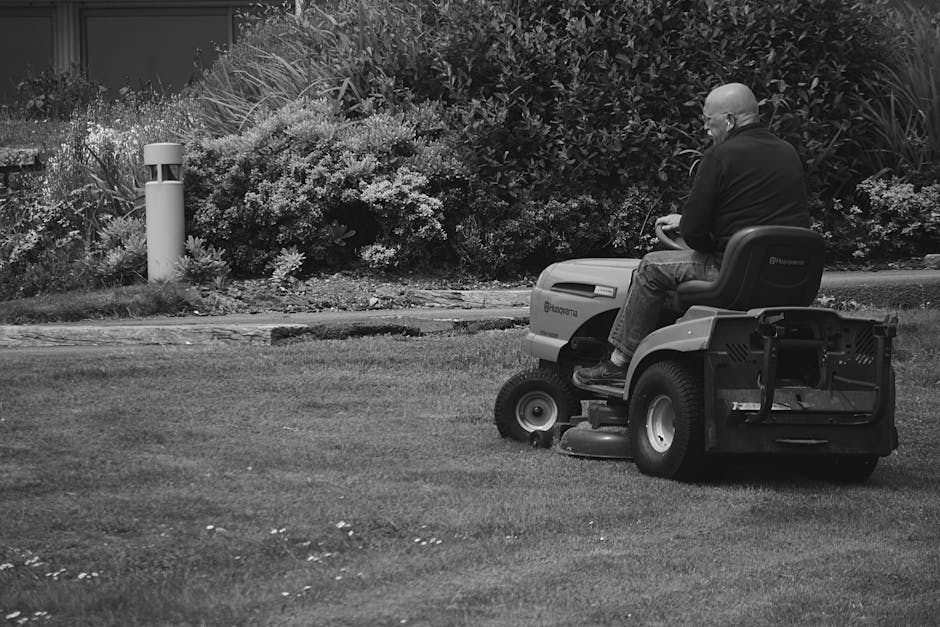
If you live or work near Bermondsey Station, you already know the garden question can be deceptively simple: how do you keep a small London outdoor space tidy, attractive, and not a full-time job? Garden maintenance Bermondsey Station properties made easy is really about creating a calm, workable routine for spaces that have to cope with shade, wind, traffic dust, compact layouts, and busy schedules. The good news? With the right structure, even a modest courtyard or narrow rear garden can look sharp all year without becoming a weekend drain.
This guide breaks down what actually matters, what to do first, and how to avoid the usual time-wasting mistakes. You will also find a comparison of maintenance methods, a practical checklist, and a grounded example of how a property near the station can be brought back under control without making life complicated. To be fair, that is usually what people want most: less faff, more garden.
Why Garden maintenance Bermondsey Station properties made easy Matters
Station-adjacent properties tend to face a slightly awkward mix of conditions. You get more footfall, more airborne grit, more noise, and often less forgiving planting conditions than you would in a quieter suburban street. Add in the reality of London living, where gardens are often compact and overlooked, and maintenance quickly becomes the difference between a useful outdoor room and a patch of frustration.
Regular garden care matters for more than appearance. It keeps paths safer, stops weeds from getting a foothold, protects fences and decking from avoidable wear, and helps plants stay healthy instead of living in permanent stress mode. A neglected space can look tired very quickly; a well-kept one feels brighter, bigger, and more inviting. You notice it the second you open the back door.
It also matters because small gardens show everything. One missed hedge trim or a few weeks of weed growth can make the whole place look unruly. If you are close to a station, the garden is often part of the first impression for tenants, buyers, guests, or customers. That is why a maintenance plan has real value, not just cosmetic value. If privacy is a priority, a helpful starting point is creative landscaping ideas for a more private garden, which fits especially well where neighbouring views are close.
How Garden maintenance Bermondsey Station properties made easy Works
The easiest way to think about garden maintenance is as a repeatable rhythm rather than a one-off rescue job. In practical terms, it usually means dividing tasks into weekly, monthly, and seasonal jobs, then matching them to the actual condition of the garden. That sounds obvious, but many people try to do everything at once, then run out of steam and leave the space half-finished. Classic trap.
A sensible maintenance routine usually covers lawn care, edging, weed control, hedge trimming, pruning, debris removal, hard surface cleaning, and checking for small issues before they grow teeth. The garden does not need perfection. It needs consistency. In Bermondsey, where space can be tight and surfaces can collect dirt quickly, even a short, regular visit often makes more difference than a massive clean-up every few months.
There is also a practical side to scheduling. For example, lawns often need more attention in spring and summer, while sheltered beds, pots, and evergreen planting can be checked year-round. If your outdoor area includes a lot of paving or decking, pairing routine care with patio cleaning or decking services can prevent slippery surfaces and keep the whole garden looking intentional rather than pieced together.
Key Benefits and Practical Advantages
The obvious benefit is a nicer-looking garden, but the real value goes deeper than that. A well-maintained property feels easier to live with. You spend less time worrying about what has got out of hand, and more time using the space. That is the point, really.
- Less stress: small, regular tasks are easier than big seasonal clear-outs.
- Better curb appeal: tidy borders, trimmed hedges, and clean hard landscaping lift the whole property.
- Healthier planting: pruning, feeding, and weeding at the right time supports growth.
- Improved safety: clear paths and controlled growth reduce trip hazards and damp build-up.
- More usable space: a maintained garden feels bigger and more welcoming.
- Lower long-term repair risk: early action on timber, fencing, drainage, and overgrowth can save money later.
There is also a strong low-maintenance advantage in using the right planting and layout choices. If your goal is beauty without constant upkeep, it can help to borrow ideas from low-maintenance garden ideas and, where space is limited, from vertical gardening for tighter spaces. Those approaches are especially handy near transport hubs where every square metre has to earn its keep.
Who This Is For and When It Makes Sense
This topic is relevant to homeowners, landlords, letting agents, small business owners with outdoor frontage, and residents who simply do not want their outdoor space becoming a burden. It is also useful for people who have just moved into a property and discovered, with a bit of a sigh, that the garden needs more than a quick tidy.
Garden maintenance Bermondsey Station properties made easy makes particular sense if you:
- have a compact garden that becomes messy quickly;
- rent out a property and want it to present well between tenancies;
- have a garden with hedges, climbers, or fast-growing plants;
- struggle to find the time for regular upkeep;
- want to improve privacy or reduce overlooked areas;
- have hard landscaping that gathers grime or algae;
- need seasonal help but do not want a full redesign.
It is also a sensible option after a period of neglect. If you are looking at a garden and thinking, where do I even begin? then a phased approach works best. You can get useful perspective from what to do first with a neglected garden, because honestly, the first hour matters more than the first fancy plant purchase.
Step-by-Step Guidance
1) Start with a clear walk-through
Stand at the back door and look at the garden as a whole. What is genuinely causing the mess? Is it the lawn, the hedges, the paving, the borders, or just too many random plants doing their own thing? Write down the top three problems, not ten. Keep it simple.
2) Remove the obvious clutter first
Clear fallen leaves, broken pots, dead stems, and loose debris before anything else. Once the clutter goes, you can see the structure again. This is usually the point where people realise the garden is not as bad as they thought. A small win, but a meaningful one.
3) Deal with weeds and overgrowth
Weeds should be tackled before they seed, and overgrowth should be cut back before it shades out healthy plants or blocks access. For stubborn patches, a combination of hand removal, mulching, and consistent follow-up usually works better than one-off effort. If that sounds like a lot, it is because it can be. Still, it is manageable when broken into steps.
4) Shape hedges and structural planting
Trim hedges to maintain sightlines, privacy, and balance. In a station area, shrubs and hedges often grow more unevenly because of light, wind, and limited root space. A neat shape can transform the garden. For a deeper dive, see hedge trimming expertise and the page on hedge trimming in Bermondsey.
5) Reset lawns and borders
If the lawn is patchy or tired, mow with care, edge the borders, and avoid scalping the grass. Beds should be weeded, lightly refreshed, and mulched where appropriate. If lawn care is part of the problem, it is worth separating mowing from broader treatment. A tidy cut is not the same thing as healthy grass, no matter how often people hope it is.
6) Finish with surfaces and details
Wash down patios, sweep paths, check drainage, and wipe down furniture or planters that collect grime. The small details help the whole garden feel deliberate. Near busy roads or station routes, hard surfaces often need a little extra attention because dust and dirt show up faster than you expect.
Expert Tips for Better Results
Good garden maintenance is not just about what you do, but when and how you do it. A few practical habits make a big difference.
- Keep a little and often mindset. Ten minutes a week can prevent a lot of grief later.
- Use mulch where it makes sense. It helps suppress weeds and retain moisture.
- Choose plants that suit the setting. If your garden is shady or exposed, do not fight the site. Work with it.
- Prune for structure, not panic. Over-cutting can leave shrubs thin and awkward.
- Protect privacy with planning, not just height. Layers often look better than a single tall feature.
- Watch winter damage early. Storms, frost, and heavy rain can expose weak points fast.
If privacy and resilience matter, evergreen planting can help a lot. You might also find it useful to look at evergreen climbers for awkward corners and hedges that build privacy quickly. A garden near Bermondsey Station does not need to be complicated. It needs smart choices that hold up.
A small aside: many gardens do not fail because of neglect, they fail because of enthusiasm in the wrong place. People buy six plants, a fountain, and a decorative arch before clearing the weeds. Happens all the time.
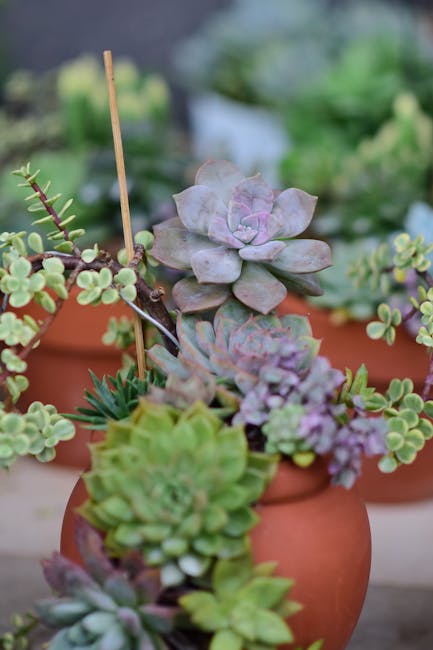
Common Mistakes to Avoid
The most common mistake is trying to fix everything in one go. That often leads to sore backs, missed details, and a half-finished space. Better to work in phases and keep the garden presentable as you go.
Other errors include:
- Cutting hedges too hard: this can expose bare stems and weaken regrowth.
- Ignoring drainage issues: puddles and damp patches usually come back if the cause is not addressed.
- Using the wrong plants for the light: shaded gardens need a different strategy than sunny ones.
- Letting weeds seed: once that happens, next month becomes harder than this one.
- Overwatering containers: common, especially in cooler months when people assume dry compost equals thirsty plants.
- Forgetting hard landscaping: a tidy bed next to a grimy path still looks unfinished.
Another trap is treating maintenance as separate from design. In reality, the simplest gardens to maintain are usually the ones designed with maintenance in mind. That is why articles such as ground covers for UK gardens and keeping an ivy-free zone are more than style pieces; they are maintenance decisions in disguise.
Tools, Resources and Recommendations
You do not need a shed full of kit to keep a Bermondsey Station garden in good shape, but a few sensible tools make life easier. A decent pair of secateurs, a sturdy rake, shears for soft growth, a leaf scoop or broom, gloves, a lawnmower suitable for your lawn size, and a hose or watering can are usually enough to cover the basics.
For bigger jobs, it helps to think in categories:
| Task | Useful approach | Why it helps |
|---|---|---|
| Weed control | Hand weeding, mulch, targeted follow-up | Stops quick regrowth and keeps borders tidy |
| Lawn care | Regular mowing, edging, seasonal feeding | Improves appearance and long-term health |
| Hedge work | Light, regular trimming | Prevents overgrowth and keeps shape manageable |
| Surface cleaning | Sweeping, washing, moss removal where suitable | Improves safety and presentation |
| Planting upgrades | Choose hardy, site-appropriate plants | Reduces maintenance pressure |
For general upkeep planning, practical garden tools is a useful companion read. If you are focused on greener, healthier borders, turning garden waste into fertile soil is worth a look too. Good composting habits, done properly, quietly improve nearly everything.
Law, Compliance, Standards, or Best Practice
Garden maintenance is not usually a heavily regulated activity in the way construction or electrical work would be, but there are still sensible standards to follow. If a garden is part of a rental property, landlords and managing agents should keep the outdoor space safe, reasonably maintained, and free from avoidable hazards. That is a practical expectation more than a dramatic legal claim, but it matters in the real world.
When working with trees, large hedges, fences, or shared boundaries, caution is important. Avoid cutting beyond your boundary without permission, and do not assume a plant or tree is yours just because it leans your way. That is how avoidable disputes start. If tree work is involved, the safer route is to deal with it carefully and, where needed, use proper professional support from tree surgery services.
Health and safety best practice matters too. Tools should be used correctly, slippery surfaces should be treated as slippery surfaces, and heavy waste should not be rushed. If contractors are involved, it is sensible to ask about insurance and procedures. The site pages on insurance and safety, health and safety policy, and terms and conditions can help set expectations before work begins. Small detail, big peace of mind.
Privacy and payment handling also deserve care. If you are comparing providers or arranging service, it is sensible to read payment and security information and the privacy policy. A tidy garden should not come with messy surprises.
Options, Methods, or Comparison Table
There is no single right way to maintain a Bermondsey Station garden. The best method depends on time, budget, and how much control you want. Here is a straightforward comparison.
| Approach | Best for | Pros | Trade-offs |
|---|---|---|---|
| DIY maintenance | Smaller gardens, hands-on owners | Low cost, flexible timing, full control | Takes time, easy to let tasks slide |
| Occasional tidy-up support | Busy households, seasonal refreshes | Helpful for reset jobs and heavier tasks | Less consistency between visits |
| Regular maintenance plan | Landlords, commuters, people who want consistency | Predictable results, fewer problems, neater presentation | Ongoing commitment required |
If your garden is in a rough state, a one-off reset can be the smartest starting point, then move to a lighter schedule after things are back under control. For some spaces, pairing this with ongoing garden maintenance and targeted lawn care is the most realistic route. It keeps the work manageable, which is half the battle.
Case Study or Real-World Example
Imagine a small rear garden near Bermondsey Station: a patchy lawn, two overgrown shrubs, a patio with a film of dirt, and a fence line where weeds have quietly moved in and made themselves at home. Nothing dramatic, but enough to make the space feel neglected.
The first visit would likely focus on clearance. Loose waste gets removed, the lawn is cut back sensibly, the weeds are pulled, and the hedges are shaped. Then the patio is cleaned, the borders are defined, and the planting is simplified. In many cases, the garden does not need a full redesign. It just needs structure. Once structure comes back, the place starts to breathe again.
A few weeks later, the garden feels different in everyday use. The owner can step outside with a coffee in the morning, the patio looks usable, and the boundaries feel more private. If the space includes children or pets, the change is even more noticeable because there is less clutter and fewer hazards underfoot. A small garden can feel surprisingly generous once it is being looked after properly. That bit always makes people smile.
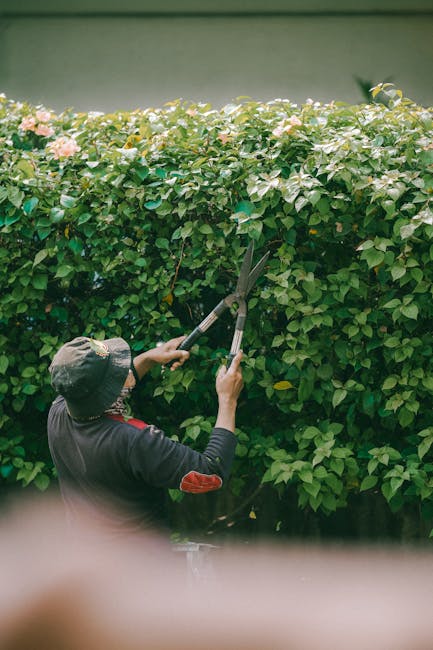
Practical Checklist
Use this checklist to keep garden maintenance simple and repeatable:
- Walk the garden and note the three main problems.
- Clear debris, dead material, and loose waste first.
- Check the lawn for scalping, patchiness, or weeds.
- Trim hedges and shrubs before they become awkward to manage.
- Remove weeds from borders, paving, and fence lines.
- Wash or sweep hard surfaces if they look dull or slippery.
- Inspect fences, gates, and raised edges for minor damage.
- Mulch borders where suitable to slow down weed growth.
- Review planting choices for shade, wind, and privacy needs.
- Set a realistic weekly or fortnightly maintenance rhythm.
- Plan a seasonal reset before winter and again in spring.
And one more thing: if you have not used the garden in a while, stand in it for a minute before you start. You will spot what actually matters very quickly. Strange how that works.
Conclusion
Garden maintenance Bermondsey Station properties made easy is really about turning a demanding outdoor space into something calm, practical, and easy to live with. You do not need to do everything at once, and you definitely do not need to chase perfection. What you need is a sensible routine, the right priorities, and a willingness to handle small jobs before they become expensive ones.
Whether your space is a tiny courtyard, a commuter-friendly rear garden, or a property that simply needs regular attention, the same principles apply: keep it clear, keep it shaped, keep it safe, and choose plants and materials that suit the conditions. Do that, and the garden starts working for you instead of against you. That is the real win.
Get a free quote today and see how much you can save.
When a garden is looked after with care, it stops feeling like a chore and starts feeling like a quiet part of home. And honestly, that is hard to beat.

Boasting extensive experience in the gardening business, Taylor stands out as a proficient author capable of crafting a variety of articles on a broad range of landscaping topics. Her expertise has been instrumental in helping thousands of people address their gardening needs.