Affordable gardeners SE16 terraces and estate gardens
Posted on 04/11/2026
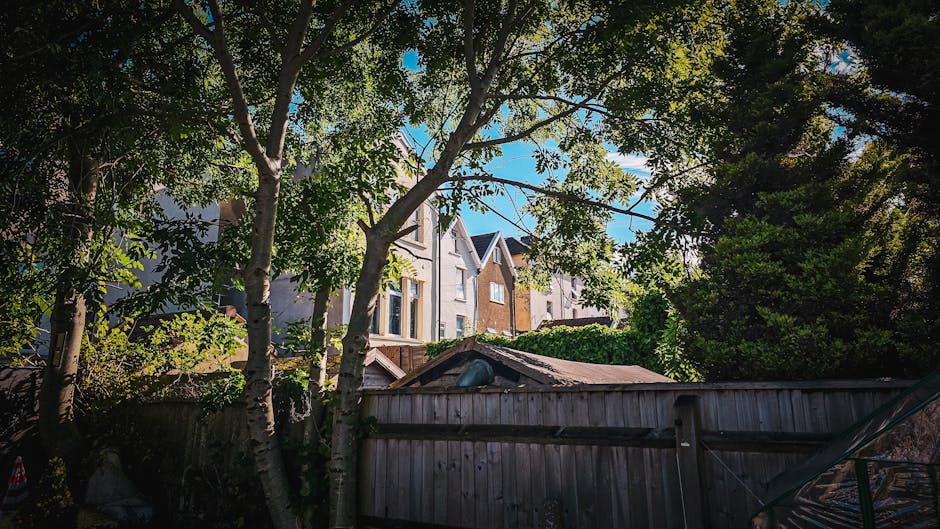
If you live with a compact terrace garden, a shared estate lawn, or one of those slightly awkward in-between spaces that never quite knows what it wants to be, you already know the challenge: it has to look good, stay manageable, and not swallow the budget whole. That is exactly where Affordable gardeners SE16 terraces and estate gardens come in. The right approach is not about doing everything at once. It is about choosing sensible work, keeping maintenance realistic, and making the space feel cared for without overcomplicating it.
In SE16, outdoor spaces often have tight access, patchy shade, awkward boundaries, and plenty of foot traffic. Those details matter. This guide breaks down how affordable garden care works, what to prioritise, where value really comes from, and how to avoid the common mistakes that make a simple job more expensive than it should be. If you want a cleaner, calmer, more usable garden that stays that way, you are in the right place.
Why Affordable gardeners SE16 terraces and estate gardens Matters
Affordable garden care matters because most SE16 gardens are not huge, self-contained country plots with endless room for experimentation. They are living spaces with limits. A terrace garden might be narrow, overlooked, and split between seating, planting, bin storage, and a path that always seems to collect moss. An estate garden may need regular upkeep to stay presentable for residents, visitors, and managing agents. When maintenance slips, the whole place can feel tired very quickly.
That is why affordability is more than just a price point. It is about getting the right tasks done at the right time, with less waste. A clever gardener will often save money by preventing small problems from becoming big ones. A ten-minute weed clear-out can stop a month of root spread. A seasonal hedge trim can reduce future corrective work. Small, steady interventions are usually kinder to both the garden and the wallet. Truth be told, that is where the real value sits.
There is also a visual and social side to it. In estate settings, neat borders, controlled growth, and safe access paths make a huge difference to how residents experience the space. In terraces, a tidy garden can make the whole property feel larger, calmer, and more usable. You feel it when you step outside on a bright morning and the space simply looks ready for you.
How Affordable gardeners SE16 terraces and estate gardens Works
The practical model is simple, even if the garden itself is not. An affordable gardener usually starts by assessing what the space actually needs rather than offering a long list of unnecessary extras. That first look should identify the essentials: mowing, edging, pruning, weeding, planting care, hedge maintenance, pressure or patio cleaning, and any safety-related issues such as unstable fence panels or obstructive overgrowth.
For terraces, the work is often about making the most of a small footprint. Think compact lawn care, container planting, vertical interest, better drainage, and smarter use of hard landscaping. Estate gardens tend to need consistency, repeat visits, and a clear plan for common areas, shared beds, and boundary maintenance. The job is usually split into routine upkeep and occasional remedial work. That split matters because it keeps costs predictable.
If you want a deeper look at keeping a beautiful garden without unnecessary spend, the ideas in affordable ways to a low-maintenance beautiful garden line up well with this approach. The same principle applies whether your space is a private terrace or a shared estate plot: choose maintenance-friendly features, then protect them with regular care.
There is usually a sensible sequence to the work too. Clear the clutter, deal with the worst growth, restore edges and access, then move into the detail. Trying to perfect everything on day one is a fast route to overspend. Better to get the bones right first. After that, the garden starts to behave.
Key Benefits and Practical Advantages
The most obvious benefit is cost control, but there are several others that are easy to miss when people focus only on the headline price. Affordable garden care can improve how a space functions day to day, which is often more valuable than a flashy makeover.
- Better first impressions: Tidy borders, clipped hedges, and clean paths make terraces and estates feel cared for.
- Lower long-term maintenance: Regular light work is usually cheaper than a big seasonal rescue.
- Safer access: Clear paths, reduced trip hazards, and controlled growth matter in shared spaces.
- More usable outdoor space: A small terrace can suddenly feel like an extra room when it is organised well.
- Less plant loss: Simple, timely care protects shrubs, lawns, and beds from avoidable damage.
- Better privacy and comfort: Strategic planting and hedge management can soften overlooking and create a calmer feel.
There is also a quiet psychological benefit. A garden that is easy to look after gets used more. People sit outside more often. They water plants on time. They notice the seasons again. Sounds a bit sentimental, perhaps, but it is true. A manageable garden tends to become a lived-in space, not a chore hanging over the weekend.
For privacy-led improvements, it can help to read about creative landscaping ideas for an attractive and private garden and lush hedges designed for rapid privacy enhancement. These are useful if your terrace is overlooked or your estate garden needs a softer boundary without putting up something harsh or overly expensive.
Expert summary: The cheapest garden is not the one that has had the least spent on it. It is the one designed so that small, regular care keeps it looking good without repeated emergency fixes.
Who This Is For and When It Makes Sense
This kind of service suits a surprisingly broad mix of people. If you are trying to keep a front or back terrace under control while working full time, affordable help can be the difference between a space that looks decent and one that slips into a constant state of guilt. Estate gardens, meanwhile, often need scheduled attention because one neglected patch can drag down the appearance of the whole site.
It makes sense when:
- you want a neat garden but do not have the time for weekly upkeep
- the space is too small or awkward to manage efficiently on your own
- shared grounds need consistency rather than occasional big clear-ups
- you are preparing a property for tenants, buyers, or visitors
- your current garden feels tired, overgrown, or a little neglected
- you want to improve privacy, safety, or usability without a full redesign
It is also a good fit if you know what you want but need help doing it properly. For example, some people are happy choosing plants but hate hedge trimming. Others can mow a lawn just fine but struggle with border renewal, weed control, or post-winter clean-up. There is nothing wrong with that. Gardens are a bundle of separate jobs, not a moral test.
If you are dealing with a garden that has got away from you, start with first steps for transforming a neglected garden. That sort of reset approach is often more useful than jumping straight into cosmetic changes.
Step-by-Step Guidance
Here is a practical way to approach an affordable garden project in SE16 without wasting money or energy.
- Walk the space properly. Look at access, shade, drainage, boundary issues, and where people actually walk. A five-minute glance is not enough.
- Separate urgent tasks from cosmetic ones. Safety, access, and plant recovery come first. Decorative improvements come after that.
- Set a realistic maintenance rhythm. For many terraces and estates, regular smaller visits are cheaper and more effective than occasional big interventions.
- Choose low-maintenance features. Mulch, ground covers, simple borders, and hardy planting can reduce ongoing work.
- Keep lawn work sensible. If there is turf, it should be mown, edged, and fed at the right time rather than left to become patchy. A good starting point is lawn care support for local gardens.
- Use targeted improvements. A hedge trim, a patio clean, or a small planting refresh can change the feel of a garden more than a full overhaul would.
- Review after the first visit. The best plan is flexible. You learn a lot from the first tidy-up, especially in older estate gardens.
One small but important point: don't let the word "affordable" trick you into thinking the work must be bare minimum or rushed. Good value means the right amount of care, done properly, with the garden left in a condition that is easier to maintain next time.
For a compact space, it often helps to think vertically. The article on vertical gardening for space constraints is especially relevant to terraces where floor space is precious. And if you need more structure, container gardening ideas can help you build interest without crowding the ground.
Expert Tips for Better Results
In our experience, the best affordable gardens are rarely the most complicated ones. They are the ones that are planned with a bit of restraint. A few well-judged choices do more than a long shopping list.
1. Prioritise visible areas first
In terraces and estate gardens, people see certain areas every day: the entrance, the path, the main seating spot, and the boundary nearest the house. Start there. If you improve what people actually look at, the whole space feels better immediately.
2. Reduce repeated manual labour
If a task keeps coming back, find a way to reduce it. That might mean laying better ground cover, changing a planting scheme, or using mulching to suppress weeds. The article on ground covers for UK landscapes is a useful reference for spaces where bare soil keeps causing trouble.
3. Plan for wind, shade, and moisture
SE16 gardens can be surprisingly exposed in places, especially on upper terraces or between tall buildings. Wind can flatten delicate plants and dry out pots quicker than you expect. A thoughtful layout helps. For that, the guidance in wind management essentials for a tranquil garden is worth considering.
4. Use plants that earn their keep
Plants should do more than look nice. They can soften edges, create privacy, attract pollinators, and reduce maintenance if selected well. Evergreen climbers, for instance, can fill awkward gaps and improve screening over time. If that is on your list, have a look at evergreen climbers for hidden corners.
5. Keep winter in mind, even in summer
It is easy to design for the sunny months and forget what happens in November. But a decent garden still has structure when the weather turns grey. If you want year-round resilience, this piece on preserving garden beauty in winter gives a practical perspective.
A small aside: a good gardener often notices the things other people walk past. The patch of compaction near the bin store. The hedge that needs one more cut. The corner where water sits after rain. Those little observations save a lot of grief later on.
Common Mistakes to Avoid
Most expensive garden outcomes start with ordinary mistakes. Nothing dramatic. Just a few poor decisions that stack up.
- Ignoring access and waste removal: In terrace and estate settings, where materials go matters. A tidy plan saves time.
- Overplanting small spaces: Too many plants make maintenance harder, not easier.
- Choosing style before structure: If the garden drains badly or the hedge is wild, decorations will not fix it.
- Cutting hedges at the wrong time or too aggressively: That can leave weak, uneven growth and extra work later. If hedging is a big part of the garden, this local guide on hedge trimming in Bermondsey explains why careful trimming matters.
- Letting weeds seed repeatedly: Once weeds set seed, every visit becomes harder. The article on masterful weed control is a sensible read here.
- Assuming all shared spaces need the same treatment: Estate gardens can have very different needs from front terraces.
Another quiet mistake is not checking safety and insurance expectations when hiring anyone to work on shared grounds or near boundaries. It may not be the exciting part, but it matters. A responsible gardener should work in a way that reduces risk, not adds to it.
Tools, Resources and Recommendations
You do not need a van full of gear to maintain a good garden, but the right tools make the work faster, cleaner, and less tiring. A basic setup usually includes a mower for lawn areas, shears for edging, secateurs, a rake, a spade, a fork, gloves, a wheelbarrow or trug, and something for weed control. For larger estate work, powered tools may be used where appropriate, but they should always be handled with care.
If you are trying to understand what a gardener might rely on for efficient work, the article on tools every garden fanatic can't do without is a useful companion read. It covers the practical side of making regular work more manageable.
For healthier soil and fewer waste headaches, consider improving the organic side of the garden too. The article on turning waste into fertile soil is relevant if you are working with borders or seasonal planting beds. Composting, mulching, and recycling cuttings wisely can all reduce the cost of keeping a garden in shape.
Useful recommendations for SE16 terraces and estate gardens:
- choose hardy plants that tolerate mixed light and urban conditions
- use simple edge materials that are easy to maintain
- keep paths clear and surfaces regularly cleaned
- avoid features that need high-fuss care unless they genuinely add value
- combine pruning, mowing, and tidying into one planned visit where possible
For hard surfaces, a clean patio can make a garden feel newer almost instantly. If that sounds familiar, patio cleaning support is one of those unglamorous jobs that quietly changes everything. And yes, a clean patio really can make a space feel twice as usable.
Law, Compliance, Standards, or Best Practice
Garden maintenance does not always feel like a compliance-heavy subject, but there are still important best-practice points to keep in mind, especially for shared estate gardens or any work that affects access routes, boundaries, or neighbouring properties.
First, waste should be handled responsibly. Green waste, cuttings, and removed materials need to be taken away or processed in line with normal local expectations. Secondly, work should be carried out with sensible attention to safety. That includes using appropriate tools, protecting people nearby, and avoiding unnecessary disruption. If a job could affect shared access, it should be planned around residents or users of the space.
For landlords, managing agents, and resident groups, it is also good practice to keep records of routine maintenance and any recurring issues. That way, you can spot patterns: a fence panel that keeps failing, a path that needs attention, or a hedge that is getting too tall for the setting. None of this is glamorous. But it is the sort of quiet diligence that stops complaints piling up.
Trust matters too. If you are comparing providers, it helps to read the site's insurance and safety, health and safety policy, and terms and conditions pages so you know what standards are in place. That is just plain sensible. The same goes for privacy, payment and security, and complaints procedure details when you are trusting a team with ongoing work.
There is no need to overcomplicate it. The best practice is straightforward: be clear about scope, keep the site safe, and avoid work that creates more maintenance than it solves.
Options, Methods, or Comparison Table
Different gardens need different levels of support. Here is a simple way to compare common approaches.
| Approach | Best for | Typical strengths | Watch-outs |
|---|---|---|---|
| One-off tidy-up | Overgrown terraces, reset projects, pre-sale preparation | Fast visual impact, clears the backlog | Can become expensive if not followed by regular care |
| Regular maintenance visits | Estate gardens, busy households, rental properties | Predictable cost, consistent presentation, fewer emergencies | Needs a realistic schedule to stay affordable |
| Light-touch seasonal care | Smaller terraces with low planting density | Good value, enough to prevent decline | May not suit high-growth sites or shared grounds |
| Targeted specialist work | Hedges, trees, fencing, planting redesign, hard surface cleaning | Solves specific problems efficiently | Works best when matched with general upkeep |
If your garden feels like a mix of all four, that is normal. A terrace might need a one-off reset, then monthly maintenance, then occasional hedge or lawn support. Estate gardens often do well with a scheduled routine plus targeted jobs when season or weather demands it.
For broader landscaping ideas that can be adapted to tighter budgets, the article on hedge trimming expertise and the piece on landscaping support are both useful reference points for thinking beyond simple mowing.
Case Study or Real-World Example
Imagine a SE16 terrace with a small lawn, a narrow path, two raised beds, and a fence line that has slowly been swallowed by climbers and self-seeded growth. Nothing dramatic, just one of those gardens that looks fine from a distance and slightly alarming up close. The owner wants it usable again, but not turned into a high-maintenance showpiece.
The sensible approach would be:
- remove obvious weeds and dead material
- cut back the overgrowth that blocks light and movement
- redefine the edges so the space looks deliberate again
- check the lawn condition and improve where needed
- refresh a couple of containers or planting pockets instead of replacing everything
- plan a short, regular maintenance cycle so the space stays under control
That sort of reset usually gives the biggest win. The garden stops feeling like a burden, and suddenly people use it again. A cup of tea outside. A quick sit after work. Maybe even a proper lunch in the sun when the weather behaves, which in London is always a bit of a gamble.
In estate settings, the same logic applies at a larger scale. If a shared garden is kept neat around entrances, paths, and focal points, residents often perceive the whole site as better cared for. The job is not just about plants. It is about order, comfort, and dignity, really.
Practical Checklist
Use this checklist before booking or planning work for a terrace or estate garden.
- Identify the main problem areas: weeds, lawn, hedge, borders, hard surfaces, or access
- Decide what must be fixed now and what can wait
- Check whether the garden is private, shared, or managed by a committee
- Think about privacy, shade, drainage, and wind exposure
- Choose low-maintenance planting where possible
- Confirm how waste and cuttings will be removed
- Ask how often the space should be maintained after the first visit
- Review any safety, access, or insurance expectations for shared spaces
- Make sure the plan fits the budget without stripping out essential work
- Leave room for seasonal adjustments, because gardens change, annoyingly enough
If the garden includes seating, children's areas, or pet access, factor those in early. It is easier to design around real use than to patch things up later.
Get a free quote today and see how much you can save.
Conclusion
Affordable garden care in SE16 is not about cutting corners. It is about making sensible choices that suit terraces, shared estate spaces, and the reality of London living. When work is planned properly, small gardens can look sharp, feel calming, and stay much easier to live with. Estate gardens can do the same on a bigger scale, with regular upkeep doing the heavy lifting in the background.
The best results usually come from steady care, clear priorities, and a willingness to keep things simple. That does not mean boring. It means practical, tidy, and durable. And if you ask most people after a long week, that is exactly what they want from an outdoor space anyway.
So whether your garden needs a reset, a routine, or just a bit of common-sense attention, the path forward is usually closer than it looks. A little care goes a long way. More than you might think.

Boasting extensive experience in the gardening business, Taylor stands out as a proficient author capable of crafting a variety of articles on a broad range of landscaping topics. Her expertise has been instrumental in helping thousands of people address their gardening needs.